
Author Archive

WHAT’S NEW IN 2023
PANDEMIC LEGACY
California Governor Gavin Newsom will end the COVID-19 State of Emergency February 28, 2023.
Effective February 3, 2023, Cal/OSHA “non-emergency”/prevention regulations replaced the prior emergency temporary standards. They apply to most California workers not covered by the Aerosol Transmissible Diseases rules, to remain in effect for the next two years, the recordkeeping subsections for three years.

HANDBOOK HELPER EPISODE 14
WATCH AND LEARN
Many businesses install on-premises closed-circuit camera systems to monitor shared or common areas.
Video surveillance can deter, prevent, or help resolve theft, physically threatening incidents, or other dangerous conditions or situations.
TAKE A DEEP BREATH
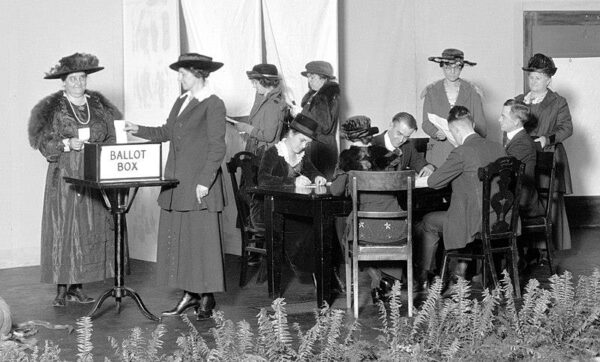
Particularly in a hotly contested election cycle, California employers should take care not to discriminate against workers for political activities, affiliations or speech. Management should be familiar with and apply these laws:

SMALL PLANET BIG DREAMS
Now in our 17th year of collaboration and despite all barriers – a global pandemic being only the latest – I am soon returning to Liberia and Ghana to further our Applied Scholastics International (APS) African Literacy Campaign.

HANDBOOK HELPER EPISODE 13
COMPANY DEVICES: HANDS ON, HANDS OFF
Most businesses rely extensively on workplace emails, texts, and other electronic systems.
Without written guidelines, employees might not understand their privacy rights can fail to extend to personal communications over company equipment.

COVID BENEFITS RESURGENCE
On September 29, 2022, the Governor signed Assembly Bill 152 (AB 152) approving two significant COVID-19 workplace provisions, effective October 9 and retroactive to January 1, 2022.
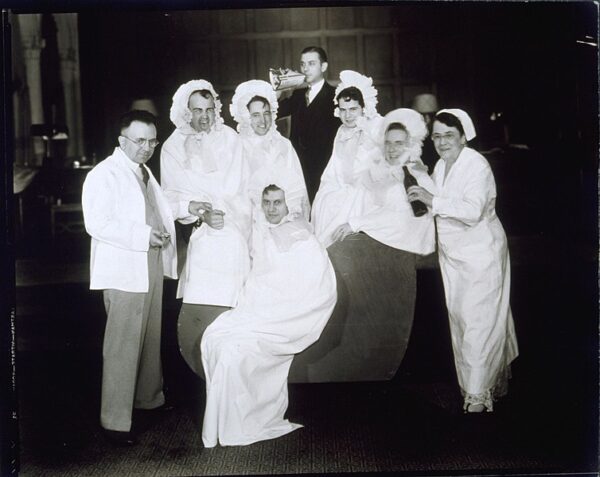
TAKE THE HORROR OUT OF HALLOWEEN
Workplace Halloween parties can build teamwork and morale if properly planned and managed. Some suggested do’s and don’ts to help make yours a smashing success:

SCHEME WORK
Clear, written employee policies assist both employers and employees to navigate the murky field of California employment law. They are the foundation for workplace legal compliance and productivity.
HANDBOOK HELPER EPISODE 12
PRYING EYES
Starting with well-drafted policy, California employers should ensure their administrative and management staff do not impermissibly disclose any employee’s private, personal, health or medical information.
HANDBOOK HELPER EPISODE 11
RIGHT ON SCHEDULE
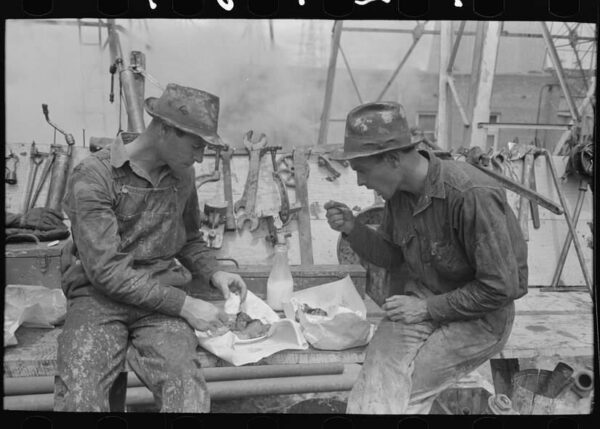
Except for salaried, legitimately exempt-from-overtime workers, California employers must provide each employee with certain numbers of unpaid meal periods and paid rest breaks depending on how many hours that employee works in each workday.