
Blog
TEAM BUILDING FOUNDATION
Workplace Policy Handbook & Forms for 2026
We are updating our “hire-to-fire” forms and template policy manual for 2026. Place your order to be one of the first to receive these updates.
Basic written office policy and procedures geared toward production create an easily navigable workplace, helping reduce the inter-staff confusions and operations slows.

ELECTION DAY RIGHTS
Paid Voting Time Off Requirements
A California employee unable to vote in a statewide election outside of work hours is entitled to voting time off at either the beginning or end of shift. Upon receiving a voting receipt from the employee, the company must pay for up to two hours of that voting time.
WHAT’S NEW IN 2026
SIGN OF THE TIMES
Beginning February 1, 2026, all California employers must provide each worker an annual, stand-alone notice summarizing key labor protections and constitutional rights. While commercially available “poster sets” of various workplace laws have been common, these incoming Labor Code sections aim to standardize and, in the face of growing Homeland Security aggression, expand the scope of such notices.
FIND OUT WHAT’S NEW IN 2026
FRESH YEAR NEAR
Annual Virtual Seminar for Employers
SAVE THE DATE
Friday, January 30, 2026
Friday, February 27, 2026
Covering Employment Legal Essentials and New Workplace Laws
Secure your spot for our virtual sessions on “what’s new” in California employment law for 2026.
AVOID A SCARE
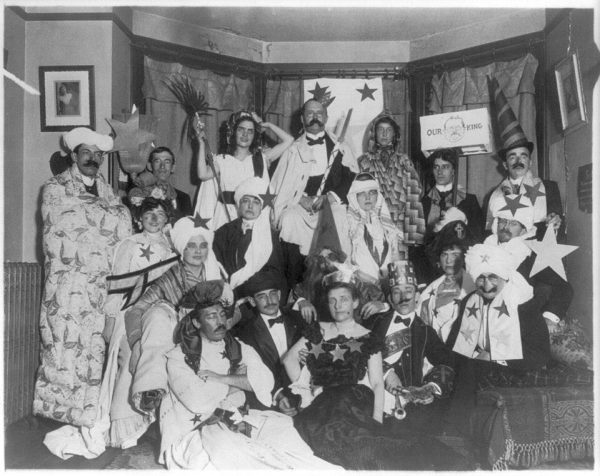
Celebrate Halloween Safely at Work
A well-planned Halloween celebration can boost morale and build teamwork. Without clear boundaries though, it can lead to uncomfortable or even risky situations under California’s strict workplace laws. Here’s how to keep it festive and compliant.
NO LESS THAN
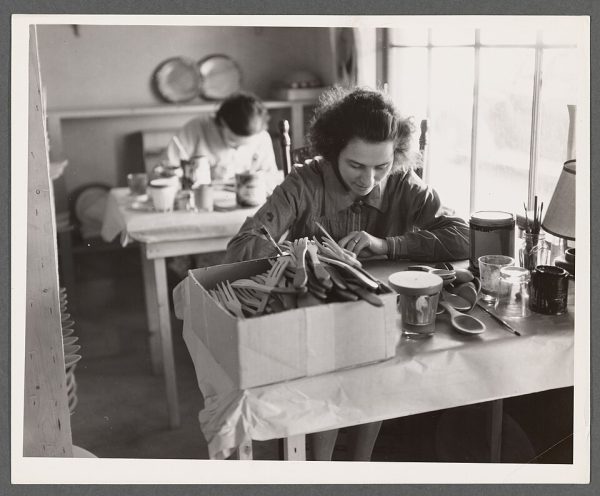
A History of Minimum Wage Laws
With two exceptions (New Zealand, 1894; Australia, 1896), no country had a minimum wage law until the 20th Century. Instead, employers paid supposed “just (or fair) wages” on the purported mutual consent of their workers.

PREVENTION DETECTION
California is among the nation’s leaders in the range of characteristics protected from workplace discrimination and harassment, including ● race, ● color, ● ancestry, ● national origin, ● religious creed and practice, ● age (40 and over), ● mental and physical disabilities, ● sex, ● gender (including pregnancy, childbirth, breastfeeding or related medical conditions), ● gender orientation, ● gender identity, ● gender expression, ● medical condition, ● genetic information, ● reproductive health decision-making, ● marital status, and ● military or veteran status.
CAUTIONARY TALE EPISODE 104
GRAVITY IS REAL
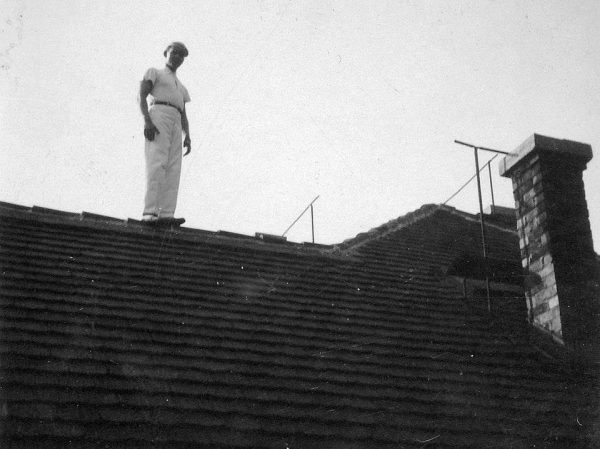
There are no shortcuts to workplace safety laws.
Following OSHA investigation from a worker’s fall through a skylight, the U.S. Department of Labor has assessed $752,846 in penalties against Florida contractor Elo Restoration LLC on ten violations, including no guardrails, safety nets and personal fall arrest systems, as well as no alternative fall protection measures for employees working six feet or more above ground.

CAUTIONARY TALE EPISODE 103
OUT OF THE FRYING PAN
The Labor Commissioner’s Bureau of Field Enforcement (BOFE) has cited a Koreatown barbeque restaurant $680,000 for widespread wage theft violations.
The citation covers failure to pay 48 workers all wages owed, denial of legally required meal and rest breaks, and issuance of incomplete or inaccurate wage statements. Some employees were allegedly required to remain on the premises during lunch breaks, while others worked split shifts without receiving premium pay.
OH, HUCKLEBERRY!
GGG-Pa v. Twain, 1885
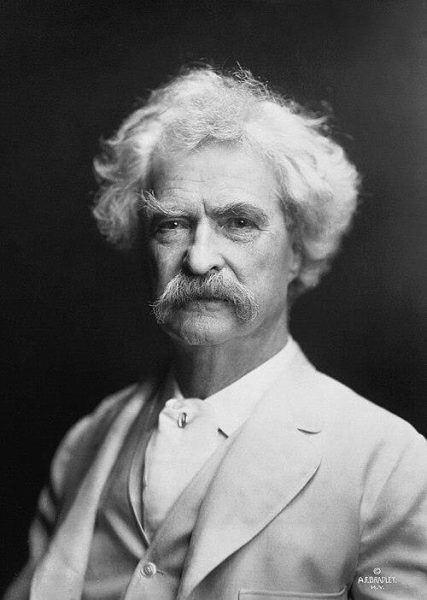
In Ron Chernow’s biography Mark Twain, I recently collided with a bit of ancestry. Mr. Chernow cites:
“The Concord (Mass) public library committee deserve well of the public by the action in banishing Mark Twain’s new book, ‘Huckleberry Finn,’ on the ground that it is trashy and vicious … The trouble with Mr. Clemens is that he has no reliable sense of propriety …”