
Blog
CALIFORNIA SICK LEAVE BENEFIT “CLEAN-UP” LEGISLATION INTRODUCED
Proposed Amendments Aim to Modify the Healthy Workplaces, Healthy Families Act Prior to Its July 1, 2015 Effective Date Our article “Mandatory Paid Sick Leave For California Employees” (Mandatory article) describes the California’s Healthy Workplaces, Healthy Families Act of 2014 (the Act) which on July 1, 2015 will require all California employers — regardless of […]
SAN FRANCISCO MINIMUM WAGE ESCALATES TO $12.25 ON MAY 1, 2015
City Employers Must Also Post Poster Specifying this Requirement Commencing May 1, 2015, all employers (regardless of where located) must pay wages of at least $12.25 per hour to each employee who performs work in San Francisco (including temporary and part-time employees). As discussed in our prior blog article San Francisco Minimum Wage Escalates to […]
HEAT ILLNESS PREVENTION AMENDMENTS ARE LIKELY TO TAKE EFFECT MAY 1, 2015
Likely to Take Effect May 1, 2015 — The Heat Is On For California Employers As referenced in our previous article, Required Heat Illness Prevention for Outdoor Worksites, California’s heat illness safety regulations currently require employers with outdoor workers to provide access to ample drinking water and a shaded rest area when the temperature exceeds 85 […]
OAKLAND PAID SICK LEAVE LAW PROVIDES GREATER BENEFITS THAN THE UPCOMING STATE REQUIREMENT
Measure Took Effect March 2, 2015 Effective March 2, 2015, Oakland’s paid sick leave ordinance (Measure FF), requires employers to provide paid sick leave benefits to part-time, full-time and temporary employees who perform at least two hours of work in a particular workweek within the city limits. This new law provides benefits greater than those […]
CHANGING TIMES DEPARTMENT
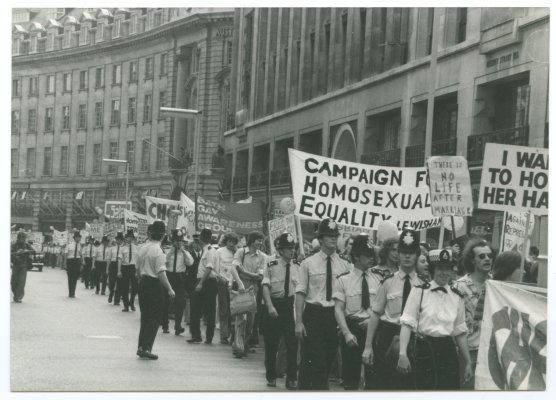
New Definition of Spouse Under Federal Family Medical Leave Act Now Includes Same Sex Couples Prior to 2013, same sex spouses had no FMLA leave benefits regardless of whether their residence state recognized same sex marriages. However, U.S. Supreme Court’s 2013 decision in U.S. v. Windsor struck down the federal Defense of Marriage Act which […]

OAKLAND MINIMUM WAGE ESCALATES TO $12.25
Rate Effective March 2, 2015 Starting March 2, 2015, employers (regardless of where located) must pay wages of at least $12.25 per hour to each employee who performs work within Oakland, California (including part-time employees). This minimum wage requirement, pursuant to Measure FF and set forth in Oakland Municipal Code section 53.92.020, applies to any […]

SHALL THE FOG BE FOREVER FORSAKEN?
California Labor Commissioner Again Attempts to Resolve Questions on New Paid Sick Leave Benefits Law As we covered in Mandatory Paid Sick Leave for California Employees, all companies with employees working in California are subject to this state’s paid sick leave law (Assembly Bill [AB] 1522), effective July 1, 2015. AB 1522 requires each employer, […]
THE ANNALS OF INTELLECTUAL PROPERTY NUMBER 2
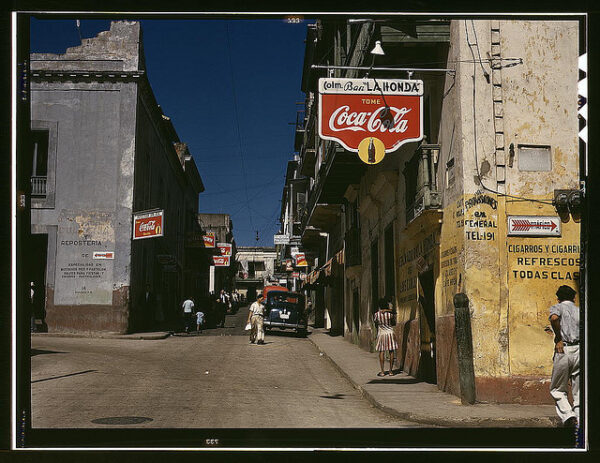
What is a Trade Secret? In our blog, “What is Intellectual Property?”, we identified several kinds of intellectual property, i.e., products created through one’s creativity and intellect, that others may not use without permission. One of those is trade secrets. The most famous example is the Coca-Cola formula, maintained as a trade secret since its […]
THE ANNALS OF COPYRIGHT NUMBER 7
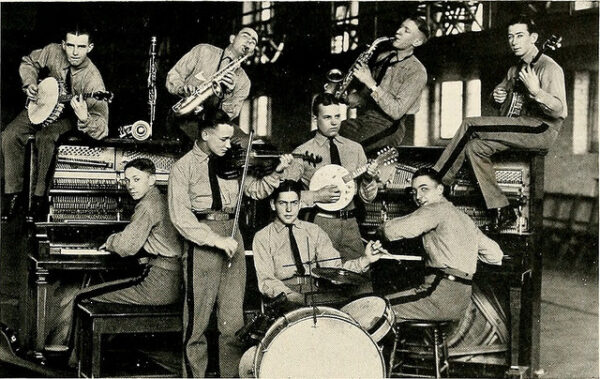
Copyright Owners “Make Some Noise” for Infringement of Their Songs Protecting your own copyrights is of paramount importance. See “Annals of Copyright Number 2.” Vigilance in avoiding violations of others’ copyrights is equally necessary to prevent expensive legal disputes. See “The Annals of Copyright Number 3”. Monster Energy has learned this the hard way in […]
THE ANNALS OF COPYRIGHT NUMBER 6
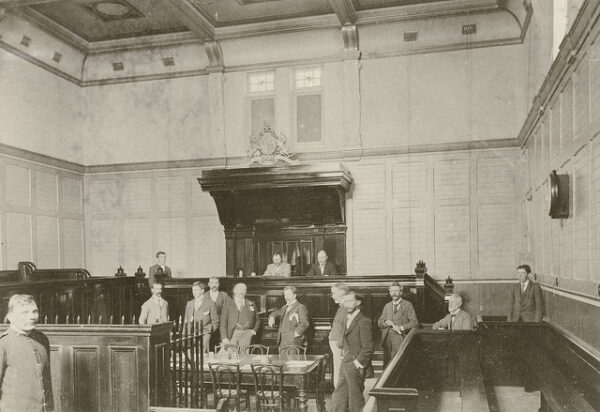
Should You Register Your Copyrighted Work? Registration with the U.S. Copyright Office gives the copyright holder the right to file a lawsuit for infringement against an unauthorized user of that work. Title 17 United States Code section 411(a). It also enables the copyright holder to claim and possibly win actual or statutory damages (set amounts […]