
Author Archive
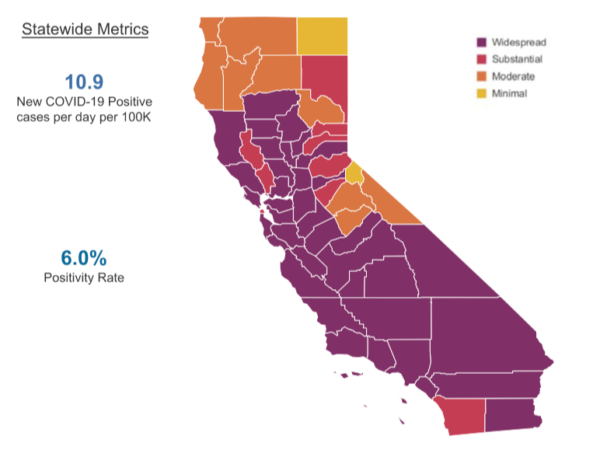
UPDATE CALIFORNIA COVID PLAN B
Tier assignments as of August 31, 2020 “Blueprint” Workplace Return Improving Conditions Statewide California’s Plan for Reducing COVID-19 and Adjusting Permitted Sector Activities to Keep Californians Healthy and Safe, or the “Blueprint for a Safer Economy,” effective August 31, 2020, is the state’s second major attempt at statewide business pandemic recovery guidelines. See, California COVID […]
WHAT’S NEW IN 2021 CALIFORNIA’S NEWEST INDEPENDENT CONTRACTOR LAW PART 2
Revised Referral Agency Exception Effective September 4, 2020, Assembly Bill (AB) 2257 and Labor Code section 2777 broaden the “referral agency” exception to the state’s strict “ABC” definition of independent contractors. A referral agency is a “business that provides clients with referrals for service providers to provide services under a contract,” other than the specific […]
COVID’S CONSTANT? … CHANGE
E.E.O.C.’s Expanded Guidelines on Screening, Testing and Pandemic Management The Americans with Disabilities Act (ADA) includes an employee’s right to maintain the privacy of his or her medical information notwithstanding any ailment that might limit that person’s ability to perform essential job functions. However, the pandemic’s new “abnormal” quickly led the federal Equal Employment Opportunity Commission […]
WHAT’S NEW IN 2021 CALIFORNIA’S NEWEST INDEPENDENT CONTRACTOR LAW PART I
Revamped Business-To-Business Exceptions Effective September 4, 2020, Assembly Bill (AB) 2257– through Labor Code section 2776 – modifies and expands exemptions for bona fide business-to-business contracting relationships from the severe ABC independent contractor test. The more-forgiving Borello multi-factor balancing test will continue determine contractor vs. employee status for such associations. A business entity providing services […]

GAGGING THE GIGS, PLAN B
California Remodels Exceptions to Its Strict Independent Contractor Test Beginning with the California Supreme Court’s Dynamex Operations West, Inc. v. Superior Court decision (April, 2018) and continuing with the passage of AB 5, effective January 1, 2020, state policymakers have sought to limit the definition of “independent contractors” under a severe ABC test. The trend […]

PANDEMIC POLICE ON PATROL
Cal/OSHA Hitting Employers Statewide for COVID-19 Non-Compliance California’s Division of Occupational Safety and Health, better known as Cal/OSHA has gone from bark – its July 16 notice calling on all employers to carefully review and follow the state’s COVID-19 workplace safety and health guidance– to bite. In two press releases, September 4 and September 9, the […]
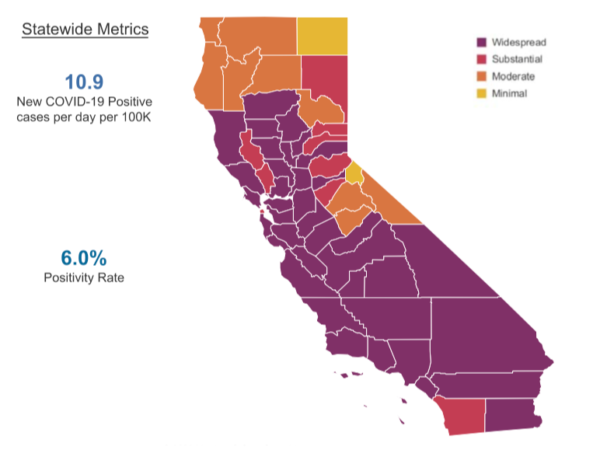
CALIFORNIA COVID PLAN B
Source: California All; Blueprint for a Safer Economy https://covid19.ca.gov/safer-economy/ Updated September 4, 2020 “Blueprint for a Safer Economy” For a Tiered Return to the Workplace A month into California’s first attempt at loosening commercial restrictions (the “Pandemic Resilience Roadmap”), a July 13, 2020 public health order required all counties to again close indoor operations for dine-in […]

CAUTIONARY TALE EPISODE 37
Dalit girl, Andhra Pradesh, India, May 12, 2005 Photo from Wikimedia Commons Published without changes under the Creative Commons Attribution-Share Alike 2.0 Generic license. WORKPLACE CULTURE CLASH CALIFORNIA CHALLENGES CISCO SYSTEMS FOR COLOR (“CASTE-BASED”) DISCRIMINATION On June 30, 2020, the California Department of Fair Employment and Housing (DFEH) filed suit against Cisco Systems, Inc. (Cisco) […]

BACK FROM THE BRINK – FOR NOW
Uber and Lyft’s Last-Minute Reprieve From Order to Convert Drivers to Employees As a San Francisco judge had directed that Uber and Lyft convert their drivers to employees by August 21, 2020, the rideshare giants were ready to shut down their California operations unless the Court of Appeal put that order on hold. See, Traffic […]

OVER THE HORIZON
Broader “Worker-Friendlier” COVID Leave Criteria? The Families First Coronavirus Response Act (FFCRA), effective April 1 to December 31, 2020, requires most businesses with fewer than 500 employees to provide: ● two weeks emergency paid sick leave benefits for employees who cannot work or telework for any one of six COVID-19 related reasons; and ● up to 12 weeks […]