
Blog

WHAT’S NEW IN 2022
NERD PAY
California Labor Code section 515.5 exempts certain computer software professionals from overtime compensation upon receipt of specified minimum compensation.
RELIGION AND MANDATORY WORKPLACE VACCINATION
The federal Equal Employment Opportunity Commission (EEOC) has again expanded its pandemic guidelines, this time to address the potential conflict between mandatory workplace COVID vaccination policies and employee religious belief and practice.
NEW GAME OLD RULES
Clear, written policies are a critical component for workplace legal compliance and productivity. Our unprecedented combination of pandemic conditions and California’s earned lawsuit-happy environment underscore the importance of sound, across-the-boards written rules and protocols.

CAUTIONARY TALE EPISODE 47
COVID-19 REQUIRED BENEFITS TAKE TWO
In July 2021, the California Labor Commissioner cited Bodega Latina Corporation $447,836 for failure by three of its El Super grocery stores to pay 95 workers COVID-19 supplemental paid sick leave (SPSL). The Commissioner called for any other affected El Super employees to come forward.
WHAT’S NEW IN 2022
LAW ON THE WALL
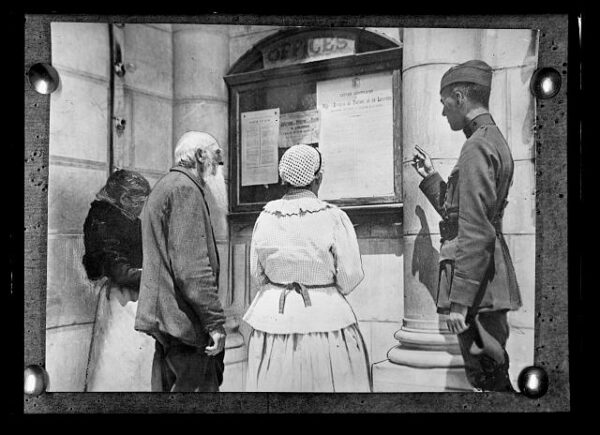
California and the federal government require employers to conspicuously post a range of printed statements on workplace laws and required procedures, most available online from such agencies as the California Department of Fair Employment and Housing (DFEH), California’s Employment Development Department (EDD), the California Department of Industrial Relations (worker’s compensation), the California Industrial Welfare Commission (IWC) (wage orders), and the U.S. Department of Labor.

WHAT’S NEW IN 2022
PEACE BUT NO QUIET
Beginning 2019, any agreement to settle a California sexual harassment, sexual assault or sex discrimination court or administrative complaint could not include a confidentiality provision prohibiting disclosure of information regarding the claim.
WHAT’S NEW IN 2022
IN-LAWS ARE PEOPLE TOO
Under existing law, covered employers must grant an eligible employee’s request to take up to 12 workweeks of unpaid protected time off during any 12-month period for “family care and medical leave” for needed care of a child, parent, grandparent, grandchild, sibling, spouse or domestic partner with a serious health condition.
WHAT’S NEW IN 2022
GRAND THEFT WAGES
California has long regarded intentional employer failure to pay wages and tips as a misdemeanor, with civil penalties and remedies for their recovery. Labor Code sections 215 and 216. Effective January 1, 2022, prosecutors will have the discretion to bring felony charges for such violations under certain conditions.

WHAT’S NEW IN 2022
BAG-HOLDING INSURANCE
A.B. 1701, effective January 1, 2018, made “direct contractors” liable for all wages and benefits that any subcontractor at any level on a job fails to pay its workers, plus accrued interest. The resulting law, Labor Code 218.7, applies to any California contractor having a direct contract with an owner “for the erection, construction, alteration, or repair of a building, structure, or other private work.”
HANDLE WITH CARE
California regulates the wages and hours of workers through a series of “Wage Orders.” Wage Order 15 (WO 15) covers employees engaged in so-called “household occupations,” including “personal attendants.”